Ascending in Baltimore: Vision, Leaders, and Proof in One City, One Week
Forward With Families is about activating state- and community-based ecosystems — and over one recent week, Ascend headed to Baltimore to show what that looks like in action. Across three convenings, hosted by three different sets of funders in a single city, Ascend Fellows and staff were the connective tissue: the same network of leaders moving from room to room to continue scaling what works for families through stronger alignment, leadership, and action.
These three seemingly separate events make an important point: an activated ecosystem features a shared vision, the leaders to carry it, and proof it’s already working, all moving together. Here’s what this looked like in Baltimore.
A Shared Vision, Rooted in Families’ Aspirations
Ascend was honored to participate in the William J. and Dorothy K. O’Neill Foundation’s first-ever grantee convening, bringing together the foundation’s global grantees and many O’Neill family members. The inspiring two-day gathering — which included Ascend Fellows Joe Jones and Andrea Levere — highlighted how two-generation (2Gen) programs can drive systems change.
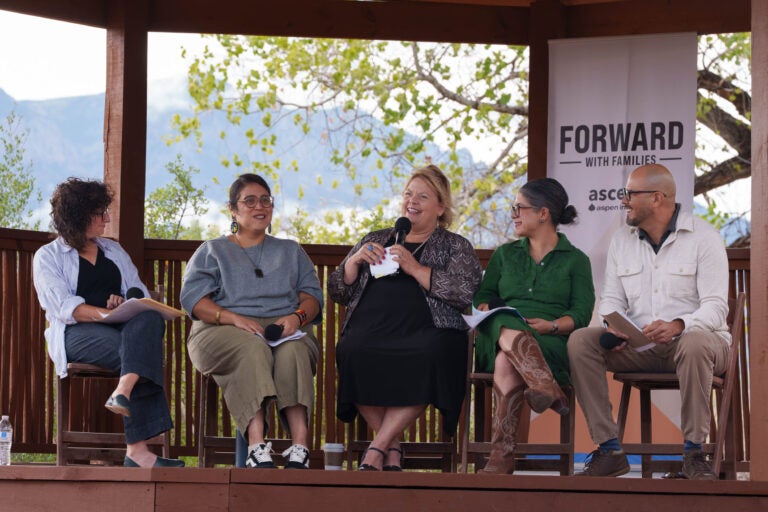
Ascend Fellow Dr. Daria Willis joined Ascend’s Stephanie Brueck-Cassoli in conversation about collective problem solving. Dr. Willis, president of Howard Community College, played an instrumental role in advocating for a groundbreaking Maryland law that requires higher education institutions to collect data on their student parents. Their conversation was a reminder that to design systems that truly serve families, we have to start from their aspirations — not just their barriers.
Keep that Maryland law in mind. It resurfaces later in the week.
A shared vision, though, means little without the leaders and frameworks to carry it across states — which is exactly what gathered at the same time a few blocks away.
The Leaders to Carry It
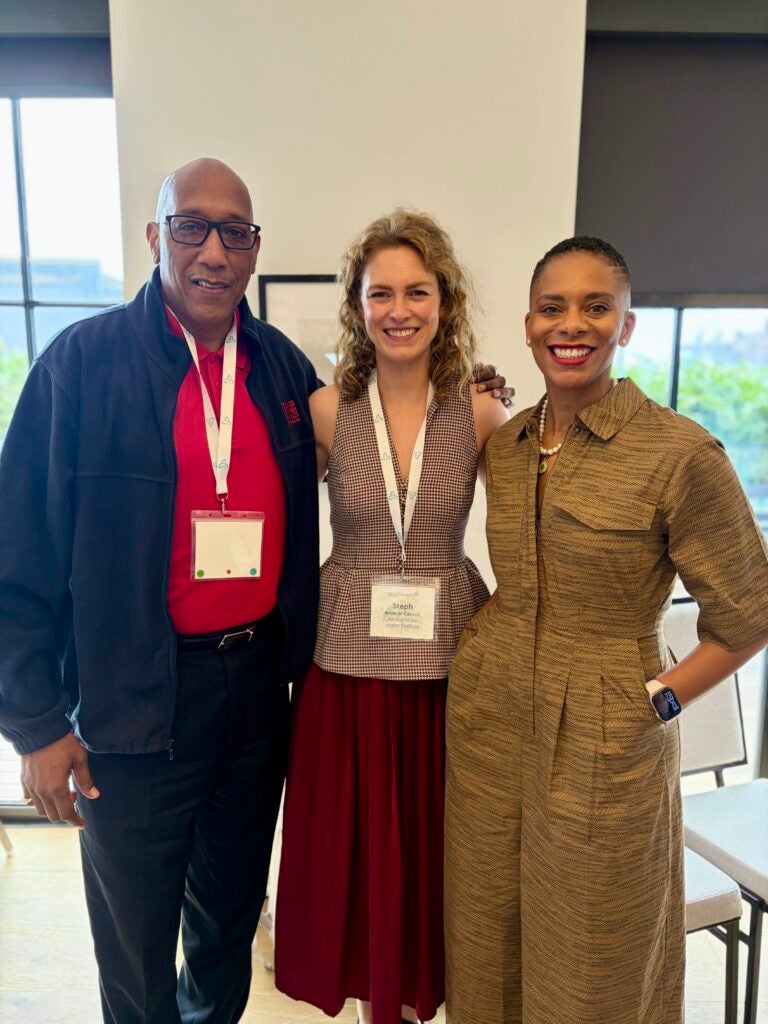
More than 100 leaders — including Ascend’s Laura Huerta Migus — gathered in Baltimore for the introduction of the Powering Health Justice Blueprint, an organizing framework for advancing health justice across the country. The Blueprint is a product of Community Change, a national nonprofit led by Ascend Fellow Jennifer Wells.
The framework is the result of two years of deep research and community listening across 16 states. The convening was a chance to take a deeper dive, understand what it means for state organizing, and build the relationships and strategies that power the health justice field.
Across three days, the conversations were further proof of a core principle that has driven Ascend’s work since the beginning: investing in leaders leads to change. We’re grateful that Community Change brought leaders together across states for these conversations, and we look forward to supporting the Blueprint as it turns into action for families.
Vision and leaders set the stage. The question is whether any of it is already producing wins states can scale. In Baltimore, the answer is yes.
Proof It’s Already Working
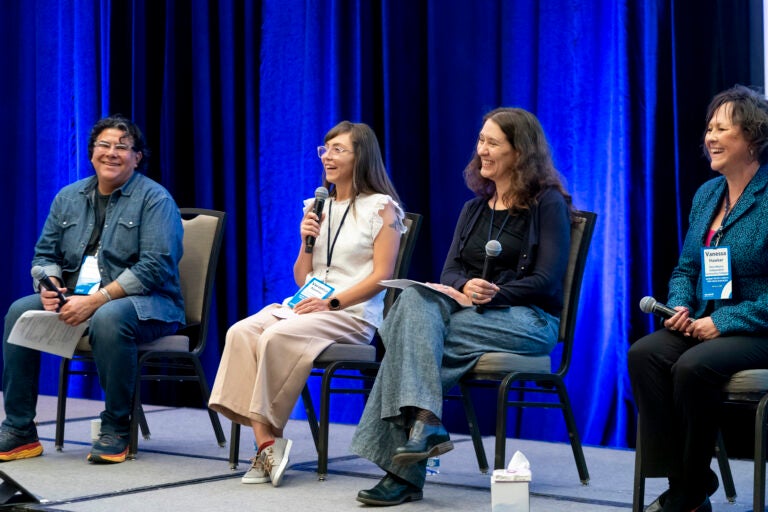
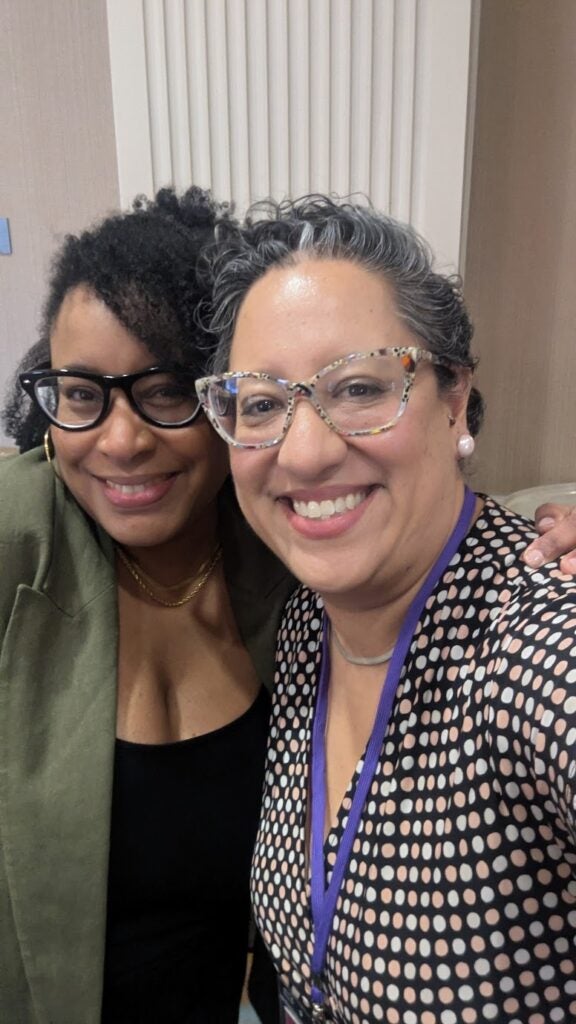
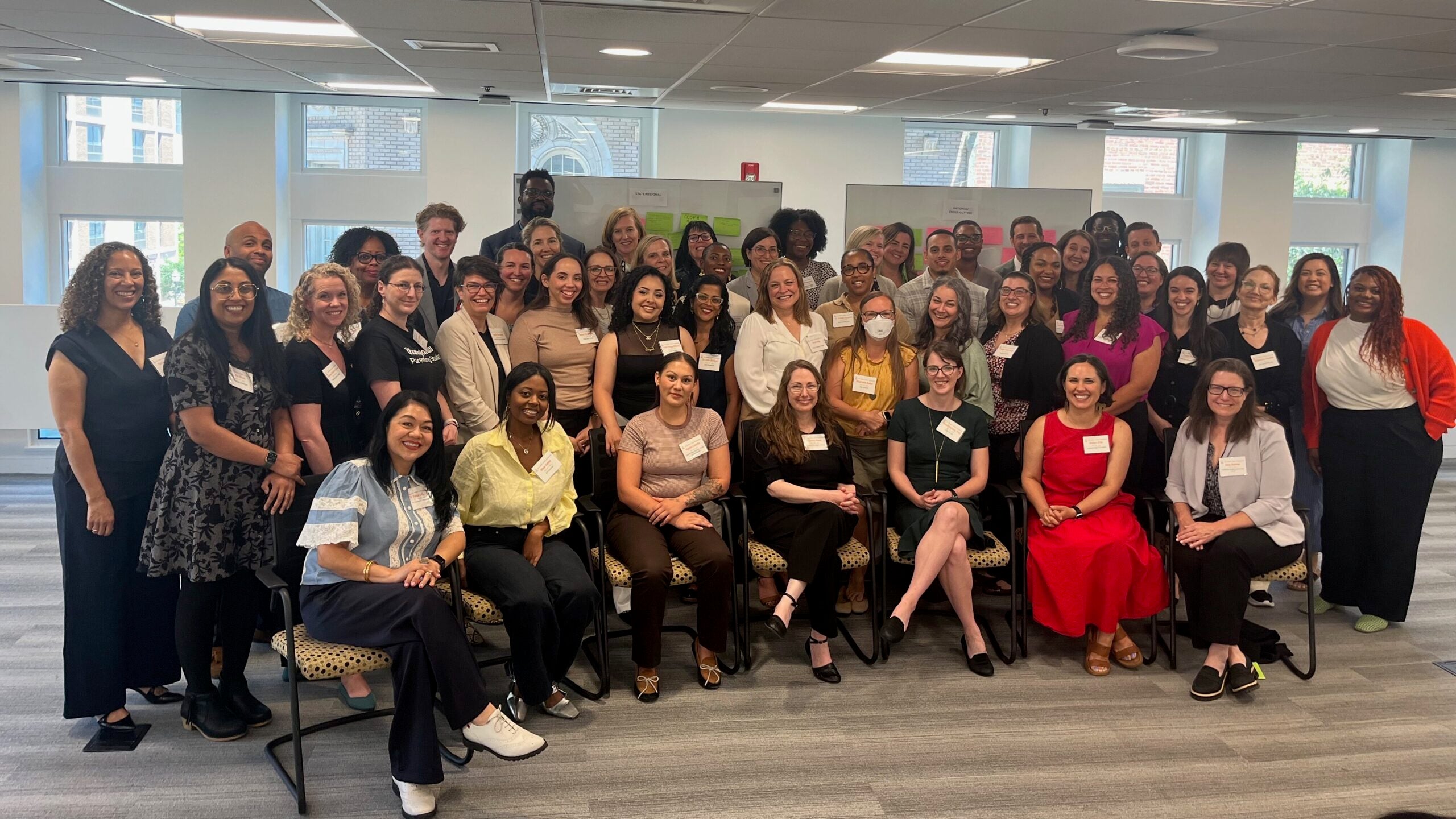
Student parents make up 1 in 5 college students, and their success is inseparable from their children’s. Ascend’s Jennifer Pocai joined Building Alignment for Student Parent Success to help develop a shared vision for systems change at the state level.
The convening — hosted by the Annie E. Casey Foundation, ECMC Foundation, Imaginable Futures, and Michelson 20MM Foundation — produced four “near-star” goals for the field:
- Build cross-sector infrastructure at the state level to support student parents
- Shift public narratives and policy priorities to center student parents
- Create the data infrastructure to inform the field and build the evidence base — including passing more state student parent data collection bills and implementing them
- Strengthen the connections between higher education, workforce, and economic mobility for student parents
And here is where the week comes full circle. That third goal — passing and implementing student parent data laws — isn’t a someday aspiration. It’s the law Dr. Daria Willis championed, the one we heard about the same week, just a few blocks away. Maryland already requires its higher education institutions to collect data on student parents, giving the field a working proof point for exactly what these leaders named as the model. What one room named as a goal, a leader in another had already made law.
These conversations in Baltimore are further proof of a belief at the heart of Forward With Families: we know what works. The task now is scaling it. One city, one week, three rooms — and the same network of leaders moving between them, carrying vision into leadership and leadership into law. Strong alignment across systems at the state level isn’t just possible. In Maryland, it’s already happening
Related Posts