
Bringing Radical Collaboration to Life: Insights from the Forward With Families Forum: Minnesota
Anne Mosle | August 24, 2026 |
Fifteen years ago, Founder and Executive Director Anne Mosle launched Ascend at the Aspen Institute with a mission to spark and spread breakthroughs in intergenerational family prosperity and well-being. Today, through the Ascend Fellowship, 182 leaders have shown what determination and civic imagination can achieve, winning elections, reimagining systems of care, and unlocking doors to economic mobility. The broader Ascend Network – totaling over 1,000 individual leaders and organizations – works directly with families to advance intergenerational solutions for children and families across the country. Our movement has reached 15 million families.
Hearing a need for an even deeper, coordinated effort – a movement to break down institutional silos and drive family well-being through proven solutions and pivotal partnership – Ascend announced a new chapter in January 2026. Forward With Families is a strategic framework to spread and scale proven solutions and cement the powerful cross-sector relationships that bring them to life. Forward With Families seeks to make life affordable, improve economic mobility, and build long-term security for all families.

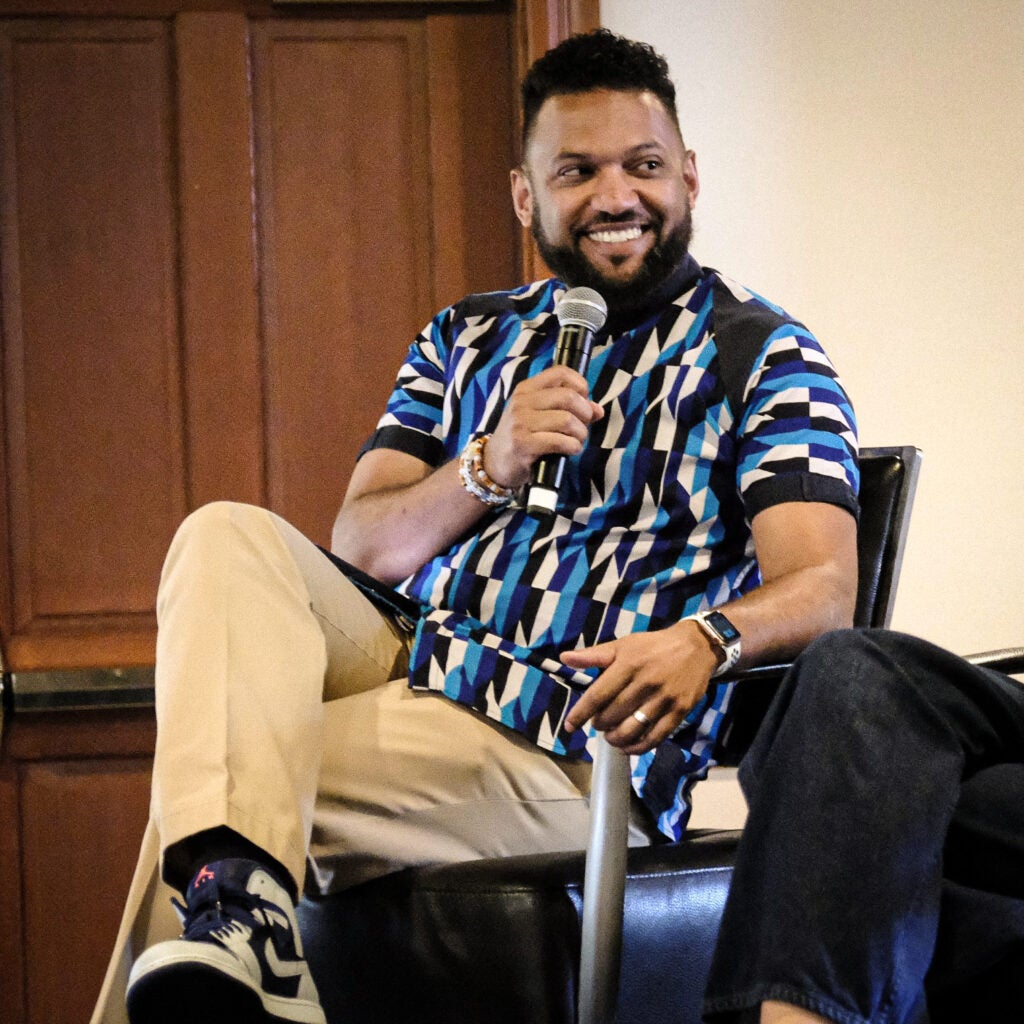
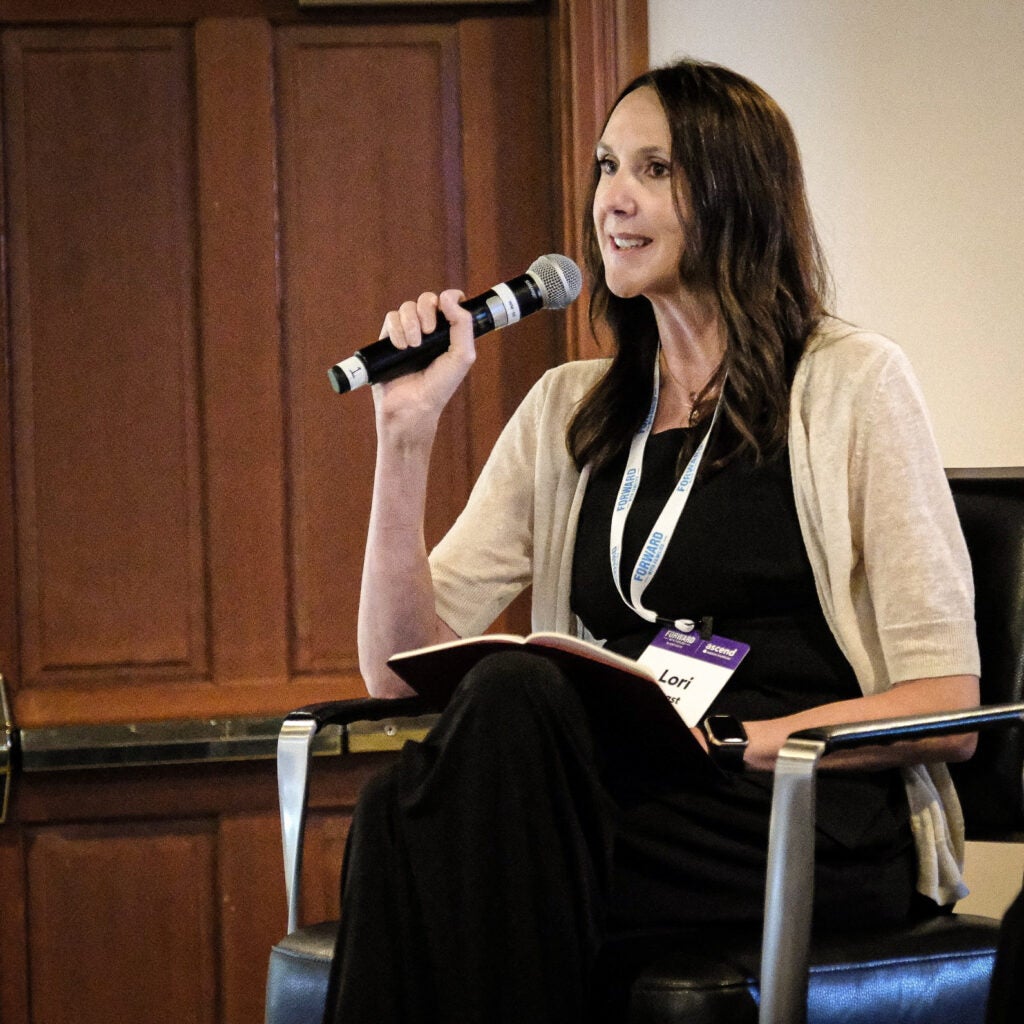
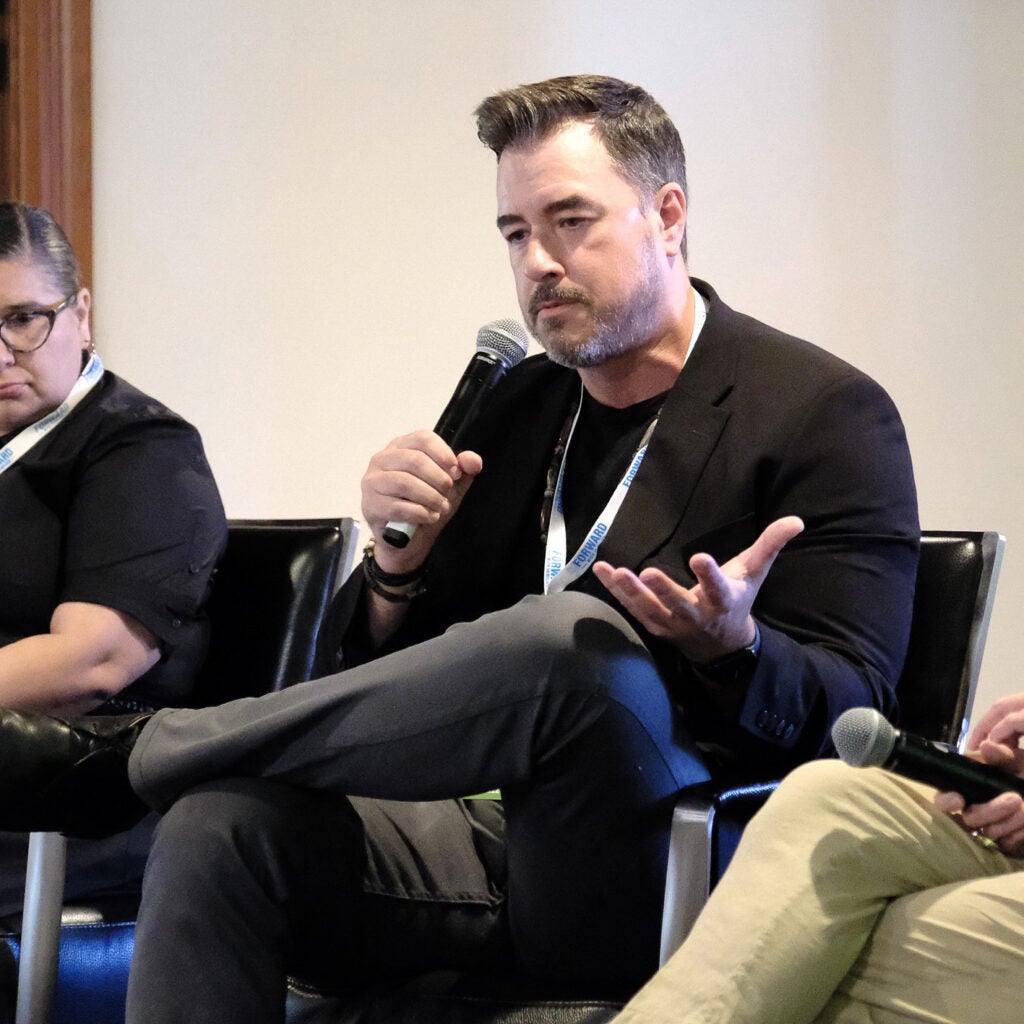
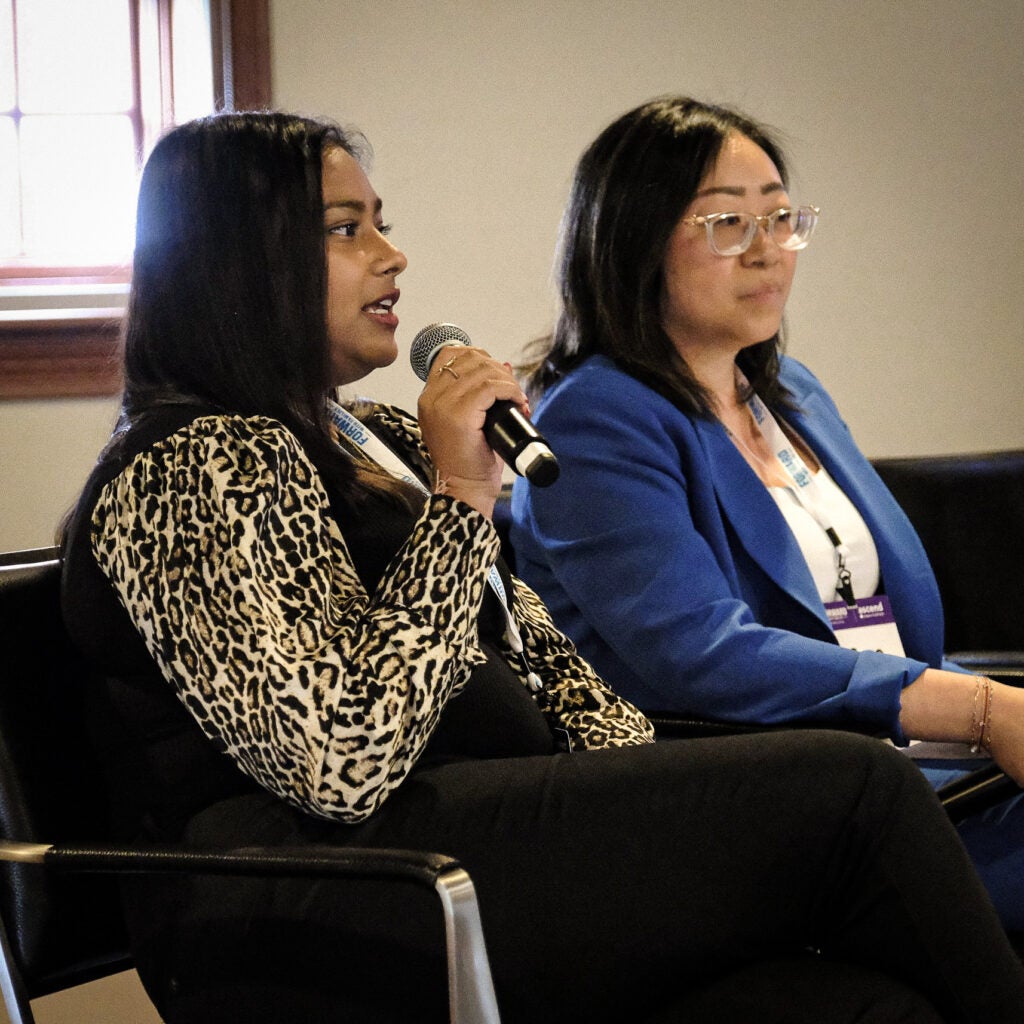
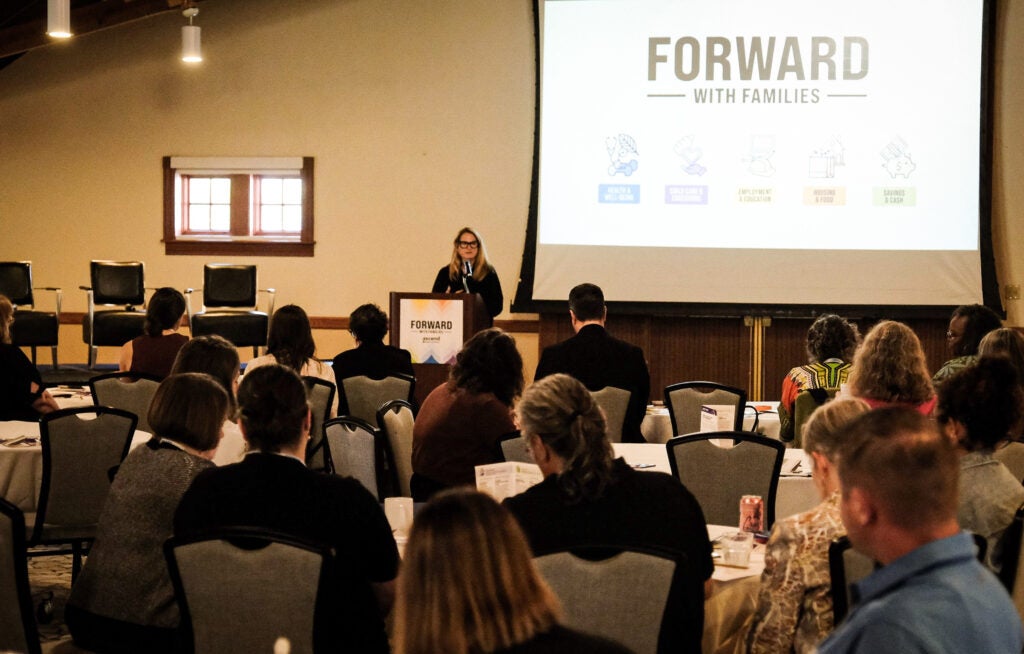
At the first Forward With Families Forum in Minnesota, Ascend Fellow Dr. Nathan Chomilo reminded us of co-Fellow Mia Birdsong’s lesson that “Dreaming is the work.” Those words resonated with an audience of practitioners, state government representatives, Parent Advisors, Ascend Fellows, funders, and other allies gathered for a convening designed to propel Minnesota’s next big swings for children and families through radical partnership.
Why Minnesota
At a time when a void of values-based leadership has decreased trust in leaders and institutions, Minnesota’s ability to transcend fear and authentically support communities has been a source of inspiration. The state’s courageous response to Operation Metro Surge – the massive federal immigration enforcement that drove fear throughout the Twin Cities – led The Nation to nominate Minneapolis for the 2026 Nobel Peace Prize. No nomination feels more worthy – the response of the city and its people were an embodiment of what I call “civic imagination.”
Minnesota is living and leading through some of the toughest challenges and disparities in family well-being, doing so via community-public-private partnerships that set a national example. Ascend has been honored to walk alongside Minnesota on this journey, witnessing, listening, and co-creating for 15 years. In 2012, Gloria Perez, president and CEO of the Women’s Foundation of Minnesota, became the first of many Ascend Fellows from Minnesota. Since then we’ve partnered with Governors Dayton and Walz, supporting as the state integrated whole-family approaches, including the historic launch of a Cabinet-level Department of Children, Youth, and Families (DCYF). This journey was captured in our 2024 report, “A 2Gen Approach in Minnesota: A State Case Study for Systems Leaders & Policymakers.”
The work isn’t done. Almost 91 percent of Minnesotans live above the poverty line, but Black and American Indian residents are 3-4 times likelier to experience poverty, a set of inequities that economist Samuel Myers, Jr. termed “The Minnesota Paradox.” Minnesota leaders know that ensuring their wealth of resources reaches all families requires tapping into their proud history of radical collaboration.
- Create new ways of working together. Supporting families holistically is inherent in Indigenous communities in Minnesota, much the way it is across the U.S. and around the globe. That wisdom is at the heart of the whole family approach and core to Minnesota’s ability to challenge the status quo and explore new ways of working together and coordinating family support systems through networks, networks of networks, and even the creation of DCYF. Put simply, radical collaboration requires willingness to explore new models for that collaboration.
- Know your role – where you exist within and across community. Bharti Wahi, assistant commissioner for the Early Childhood Administration at DCYF, told the group, “In order to have good partnerships, as organizations and systems, you have to know yourself. What can you bring?” By recognizing your best role within and across community – and challenging yourself to see clearly how the community and other partners perceive you – community, public, and private partners can do what Bharti called “aligning contribution and aligning accountability.”
- Prioritize making systems more navigable for families. As Dan DuHamel, program officer at Margaret A. Cargill Philanthropies, noted, “There’s an opportunity for us to simplify our systems and our programs in a way that actually makes it easier for families to access the resources they need.” Minnesota is already doing this in many ways, from The People’s Fellowship established by Ascend Fellow and former Mayor Melvin Carter, to schools becoming hubs for food security and health services, as highlighted by Dr. Chomilo. As we build partnerships to deepen the impact of these promising solutions, we must keep in mind our North Star – helping families thrive. Partnerships must serve to simplify and clarify the systems that support families.
Meaningful Impact & Moving Forward
What Minnesota’s partnerships have accomplished cannot be understated. DCYF has created new interagency partnerships, worked with families to establish new practices for collaboration, and created more community-centered grant processes. Ascend Parent Advisor Amanda Schermerhorn explained how better-connected systems are helping families across the state access the resources they need: “Agencies did not communicate. I know this not only from my time in case management and government relations, but from my time trying to receive services from these various agencies for myself and my family. Now, Minnesota’s DCYF works to ensure that families receive services that are tailored to their family in a way that is connected and no longer siloed.”
These successes are a national example for how to make big swings for children and families – the kind of big swings we should take as we place families at the center. Forward With Families is amplifying these big swings – the ideas and initiatives that make life affordable, economic mobility possible, and security attainable for every family in America. It is spreading ready and relevant solutions, lifting up what’s already working to drive policy and systems leaders at every level to act.
With additional place-based Forward With Families convenings through the fall, we will continue to make space for the work of dreaming, and for the actions that come out of it.
Related Posts

Ascend has chronicled what it takes to properly support student parents for years, and childcare access is an all-too-common barrier for academic succ...
Across the country, states and localities are setting a new bar for access to high quality affordable childcare. Last year, New Mexico became the firs...
Behind every child care statistic is a family balancing work, school, and caregiving. Ascend Parent Advisor Veronica Ramirez knows firsthand the trade...
Featured from the Ascend Community