
The Perinatal Scope of Care Initiative
January 20, 2026 | News & Announcements
The Health, Medicine and Society (HMS) program and Ascend, policy programs at the Aspen Institute
The Aspen Institute’s Health, Medicine & Society and Ascend policy programs have undertaken the Perinatal Standard of Care Initiative, a two-phase project to address the ongoing national crises of deplorable maternal morbidity and mortality statistics and unacceptable infant mortality rates.
The work is ambitious: To develop the first comprehensive national standard of care for the perinatal period (defined as prenatal care through 12-months post-partum) designed to achieve an optimal outcome for all, with a particular focus on those individuals who have been most marginalized by existing systems. The project is not intended to result in incremental improvements to current practice – instead, its singular purpose is to reimagine — based on the evidence — how we can best support pregnant and parenting people and their babies during the most critical developmental window of their lives.
The Initiative is co-chaired by Nadine Burke Harris, MD, MPH, Chief Impact Officer, ACE Action Network and California’s first Surgeon General, and Jonathan B. Perlin, MD, PhD, MSHA, MACP, FACMI, FAMIA, President and CEO, Joint Commission. It is generously supported by the David and Lucile Packard Foundation, the W.K. Kellogg Foundation, the Pritzker Children’s Initiative, and Merck for Mothers.
The Crisis We Face
The urgency of this work cannot be overstated. Approximately 700 women in the US die each year from pregnancy or pregnancy-related complications; 84% or 588 of these deaths are preventable.1 The disparities are even more stark: Black women are three times more likely to die from pregnancy-related causes than white women.2 US Infant mortality rates are equally cause for alarm and concern. In 2023, the United States reported 20,162 infant deaths, with an infant mortality rate of 5.61 deaths per 1,000 live births – unchanged from 2022 but higher than the 2021 rate of 5.44.3 Significant racial disparities also persist, with infants of Black women experiencing the highest mortality rate at 10.93 per 1,000 live births, more than twice the rate for White (4.48) and Hispanic (5.03) infants.4
These statistics are not just numbers; they represent mothers, partners, families, and communities devastated by maternal and infant deaths and disease that should not occur in this country. While various efforts have addressed pieces of this challenge – prenatal care guidelines here, postpartum protocols there — no comprehensive, integrated standard exists that views a pregnant person and their baby as a unified unit of care throughout the entire perinatal journey and considers them as such.
Our Approach
The Initiative is divided into two Phases. Phase 1 — the planning process — is structured to create an in-depth workplan which, in turn, will serve as the framework for developing the comprehensive standard
of care itself (Phase 2). We are not, however, starting this process from scratch or ignoring existing expertise. Rather, we aim to build on current knowledge and ongoing efforts while acknowledging that incremental improvements alone are insufficient to reverse the nation’s unacceptably high maternal and infant morbidity and mortality rates, particularly among communities of color.
Three fundamental principles guide all our work:
- Mother-Centric and Two-Generational: The standard must reflect the lived experiences of those who know best — mothers and pregnant people — what is needed during the perinatal period to achieve optimal health outcomes not only for themselves, but also for their child and family. The evidence is clear: Family wellbeing and infant health are inextricably linked.
- Comprehensive Care Integration: The standard must extend beyond traditional medical services to include appropriate non-clinical supports typically provided outside the health sector – recognizing that best perinatal outcomes require addressing social determinants of health, mental health, economic security, and family support systems.
- Equity-Centered Focus: Priority attention must center on those who have faced the greatest systemic barriers within healthcare systems and who experience the poorest health outcomes as a result – particularly women of color, Indigenous people, those living in rural communities, and non-binary parenting individuals.
The Project Team
Ruth Katz, Executive Director, HMS
Marjorie Sims, Managing Director, Ascend
Chidi Jenkins, Senior Officer for Leadership and Public Policy, Ascend
Katie Gottschalk, Project Director, HMS
How can I support this work?
Sign up to receive project updates
Contribute literature, studies, expertise or information on the Perinatal Period in the US | perinatalstrategy@aspeninstitute.org
Reach out with any questions|perinatalstrategy@aspeninstitute.org
- https://www.cdc.gov/mmwr/volumes/68/wr/mm6818e1.htm; https://www.cdc.gov/womens-health/features/maternal-mortality.html ↩︎
- https://www.cdc.gov/womens-health/features/maternal-mortality.html ↩︎
- https://www.cdc.gov/nchs/data/nvsr/nvsr74/nvsr74-07.pdf ↩︎
- https://www.cdc.gov/nchs/data/nvsr/nvsr74/nvsr74-07.pdf ↩︎
Related Posts

Meet 20 cross-sector leaders who are transforming systems in order to improve opportunities and outcomes for children and families. Washington, ...

Across the country, communities are increasingly recognizing the need for integrated approaches that support the well-being of both children and the a...

In an Portland Press Herald op-ed, Nicole Witherbee of the John T. Gorman Foundation and Marjorie Sims share themes from a statewide convening and ide...
In Aspen, the community and the Aspen Institute host renowned leaders, from deep dives on artificial intelligence at the Ideas Festival to the benefit...

In episode three of Aspen Ignites: Conversations to Build a Better World, Jenn White leads a conversation on leadership with Anne Mosle and 2018 Asce...
This Campaign for Grade-Level Reading Week session discussed two-generation (2Gen) strategies to achieving improved outcomes for families.

In an Inside Higher Ed article, David Croom and Generation Hope provide important perspective into why the student parent population is important for ...
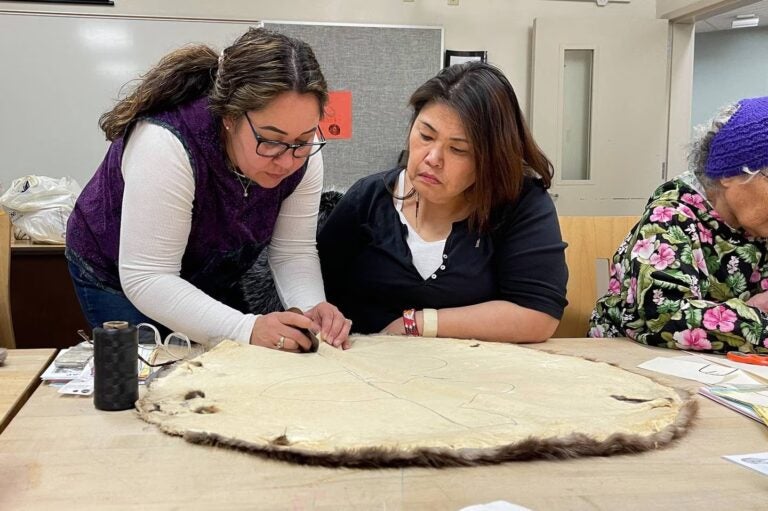
In her Anchorage Daily News op-ed , 2022 Ascend Fellow, Jessica Saniġaq Ullrich, shares the importance of preserving Indigenous languages as a way to...

In a blog post authored by Trene Hawkins of Robert Wood Johnson Foundation, Ascend's Managing Director Marjorie Sims shares how Ascend harnesses paren...

In her Crain’s Detroit Business op-ed , 2022 Ascend Fellow, Leseliey Welch, discuss the importance of maternal health and midwifery care.
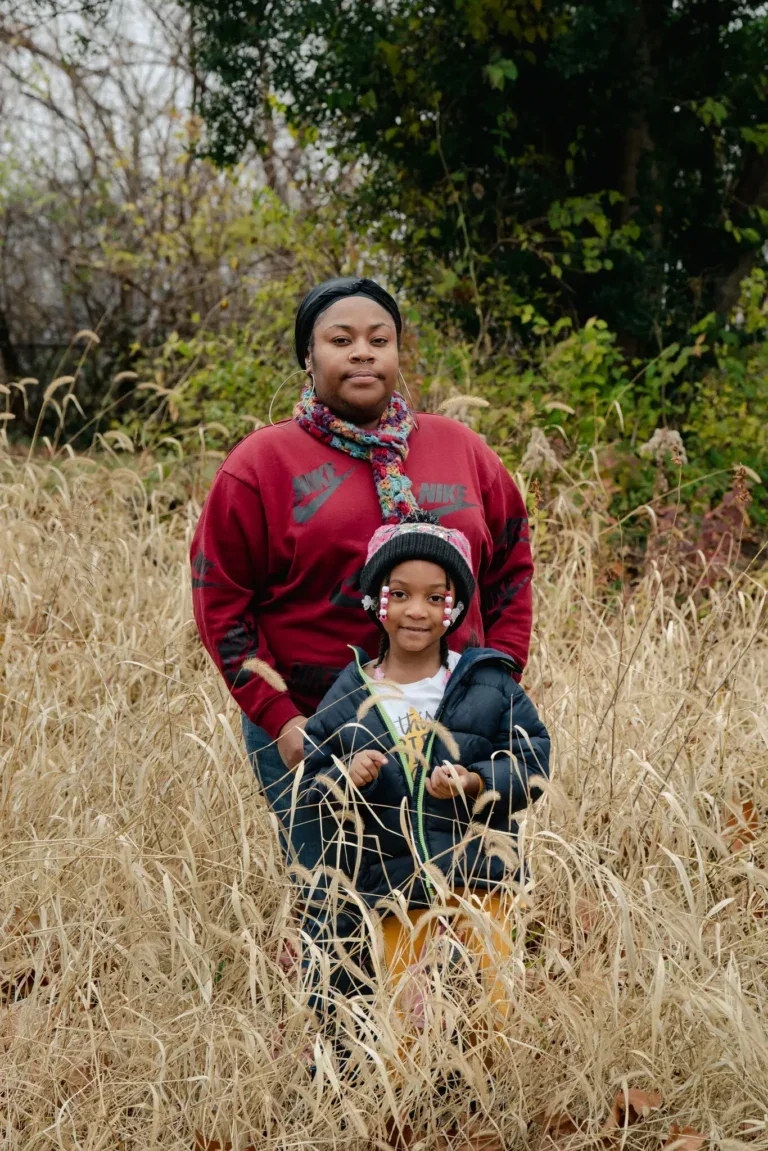
In an article written by Jason DeParle for The New York Times, 2023 Ascend Parent Advisor, Brittnee Marsaw, shares her personal experiences being born...

In her HeraldNet op-ed, 2022 Ascend Fellow, Roxana Norouzi, discusses the important role that powerbuilding from community organizations has in electi...

In a recent article for Kansas Child Magazine, Ascend executive director and founder Anne Mosle discusses the how 2Gen approaches can build on family ...

In an op-ed written for Early Learning Nation, 2023 Ascend Parent Advisor, Mikah Jorgensen, shares her personal experience and expertise offering 5 id...
In an op-ed for Philanthropy News Digest, Ascend founder and executive director Anne Mosle highlights the power and potential in listening to and hono...